

We Need A Unicorn.
One can’t just train a dog to sit and stay, then call it a service dog.
The job requires an animal that has the resilience, confidence, extroversion, common sense, and emotional intelligence to accompany a disabled person into any situation and not only feel good about it, but have enough emotional resources available to assist that person with their disability.
That is simply not something we can expect of Rover McNormal.
Normal Dogs…
Service Dogs…
If professional training could turn any dog into a service dog, guide dog and assistance dogs schools would have 100% success rates.
But they do not.
Success rates average between 30% and 70%, depending on the difficulty of the job they are being trained for.
Even when a dog does have the right temperament for a service dog, sometimes they aren’t fit for the job their particular school wants them to do. Service dog schools will sometimes send each other their wash-outs, because the dog who loves balls too much to work with a wheelchair could still be a great drug dog, and the dog who is too slow to lead a blind person could still walk beside a wheelchair.
Other dogs have the right temperament and the right skill set, but end up having health problems that end their career. A bad knee injury, juvenile cataracts, severe allergies, or a liver shunt could all end the working life of a dog before the usual 10 year mark.
So if you are picking out ONE dog to do a particular job for you, picking the right dog not only makes the difference between success and failure, but also between quick and easy success vs years-of-hard-work success.
What does a potential service dog look like?
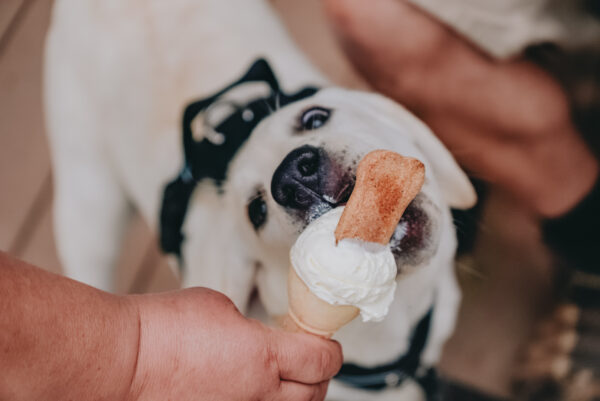
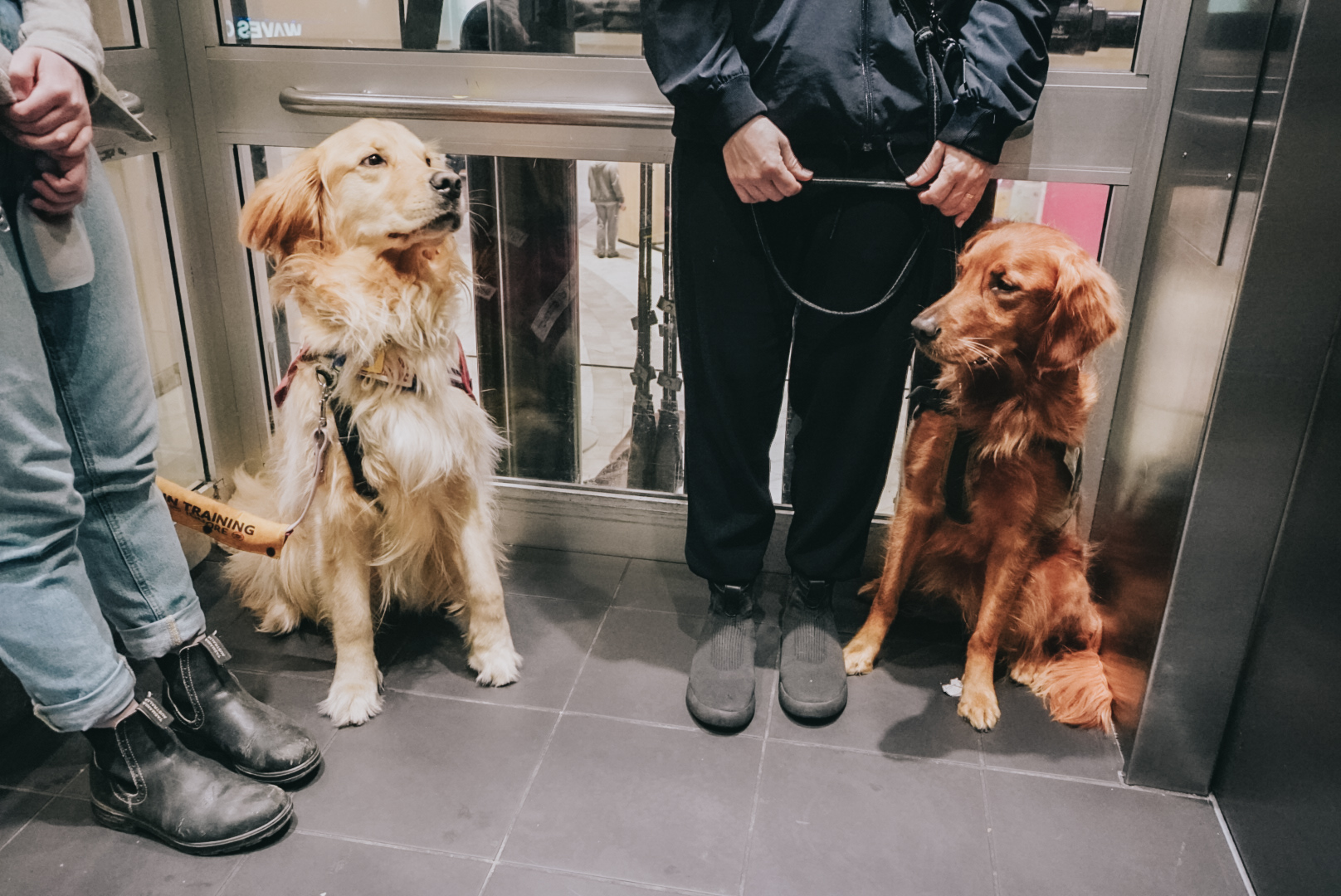
In adulthood, potential service dogs are eager, like people, enjoy learning new things, but can also quickly lay down and go to sleep when things get boring. They are curious about big noises, and they are willing to investigate things that strike them as strange or scary.
In puppyhood, often they look like little monsters. They are terminally curious. They are good problem solvers. They shrug off mistakes and corrections. They don’t give up easily. They jump on everyone they meet.
On the other hand, future service dog pups also love to make people happy, love to learn new things, and adjust to the rhythms of the household quickly. They can sleep in a crate or in the park just as easily. They are patient and easy-going, with a take-things-as-they-come attitude.
They also pass health inspections of their joints, heart, and eyes.

 LGBTQIA2S+ Safe