Question:
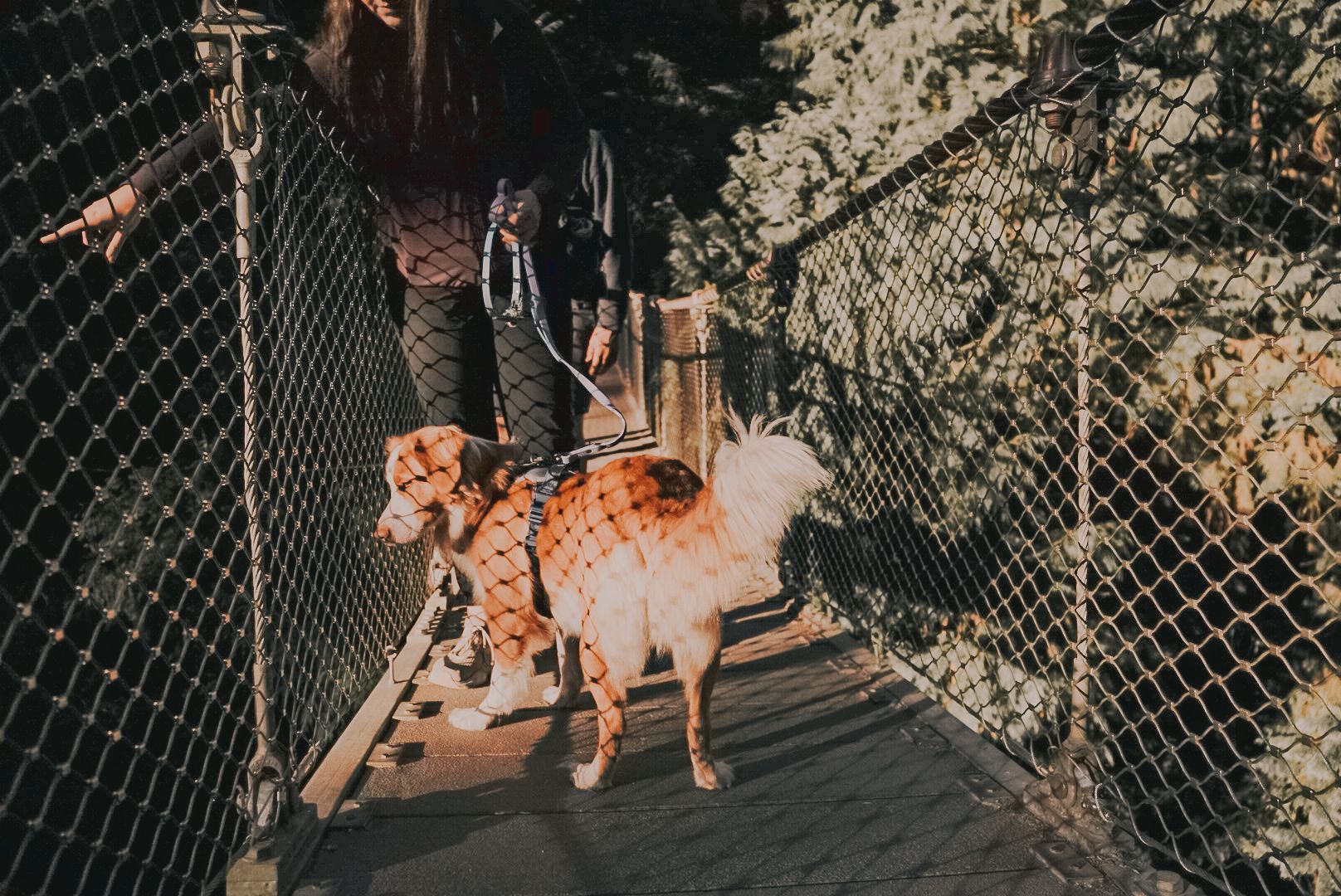
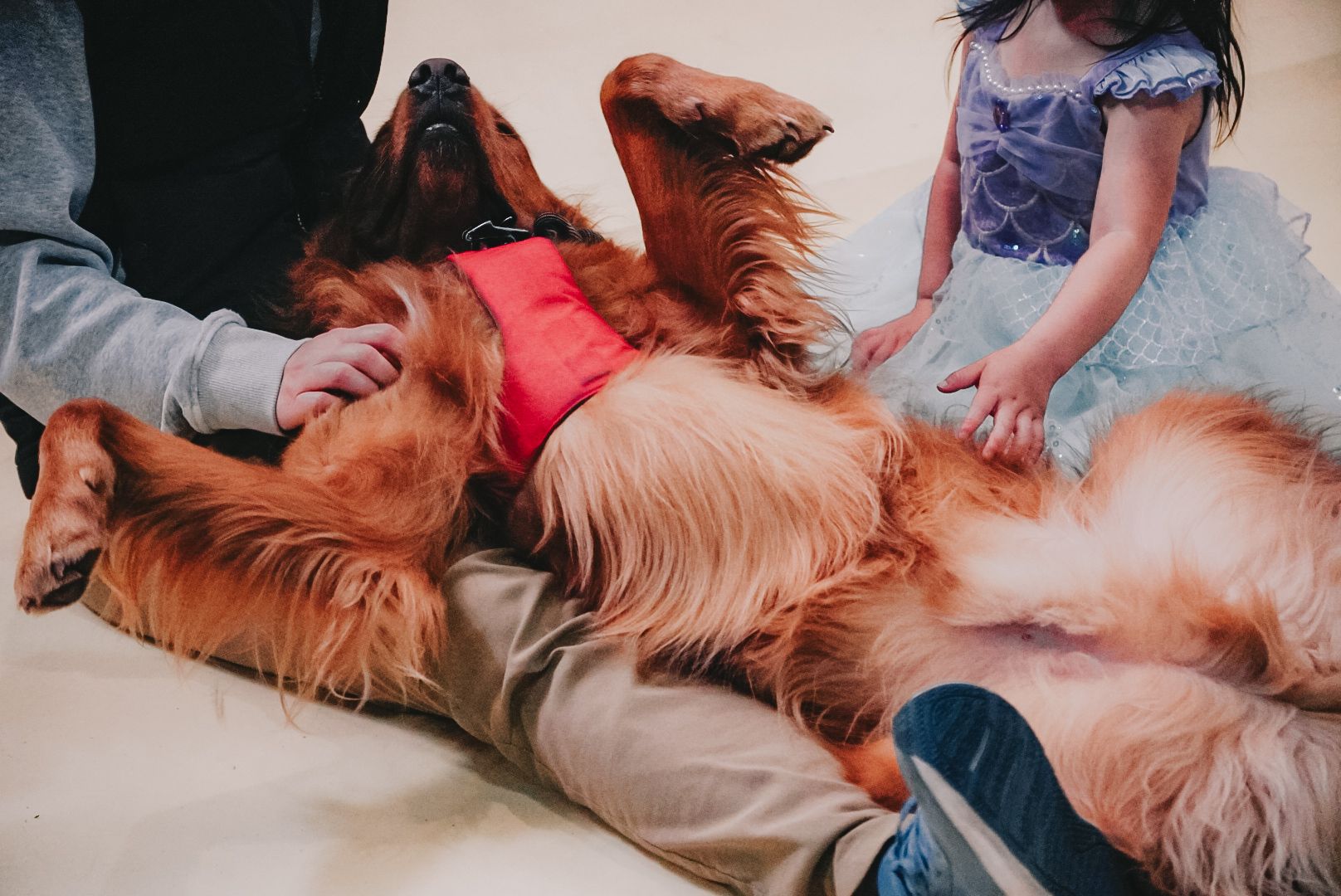
Is the animal depicted here…
a) A sensory nightmare
b) A stressful burden
c) A great companion for an autistic child
d) All of the above?

Answer:
That depends on who you’re asking. Some people would say “A”. Others would say “B”. A few would say “D”: all of the above.
Dogs are only sometimes good companions for autistic people, particularly children.
Puppies are awful and dogs are gross.
Dog lovers will be the first to tell you this.
Anyone who has lived with a puppy within the last couple of years, for whom puppy amnesia has not yet set in, will confirm that puppies are terrible.
It’s like having a newborn and a toddler at the same time, and the toddler is holding knives and won’t wear pants.
Dogs have diarrhea in the condo elevator. Dogs chew gum off of the bottom of public benches. If you have a human toddler, your dog will eat their poop right out of the potty before you can finish the potty dance.
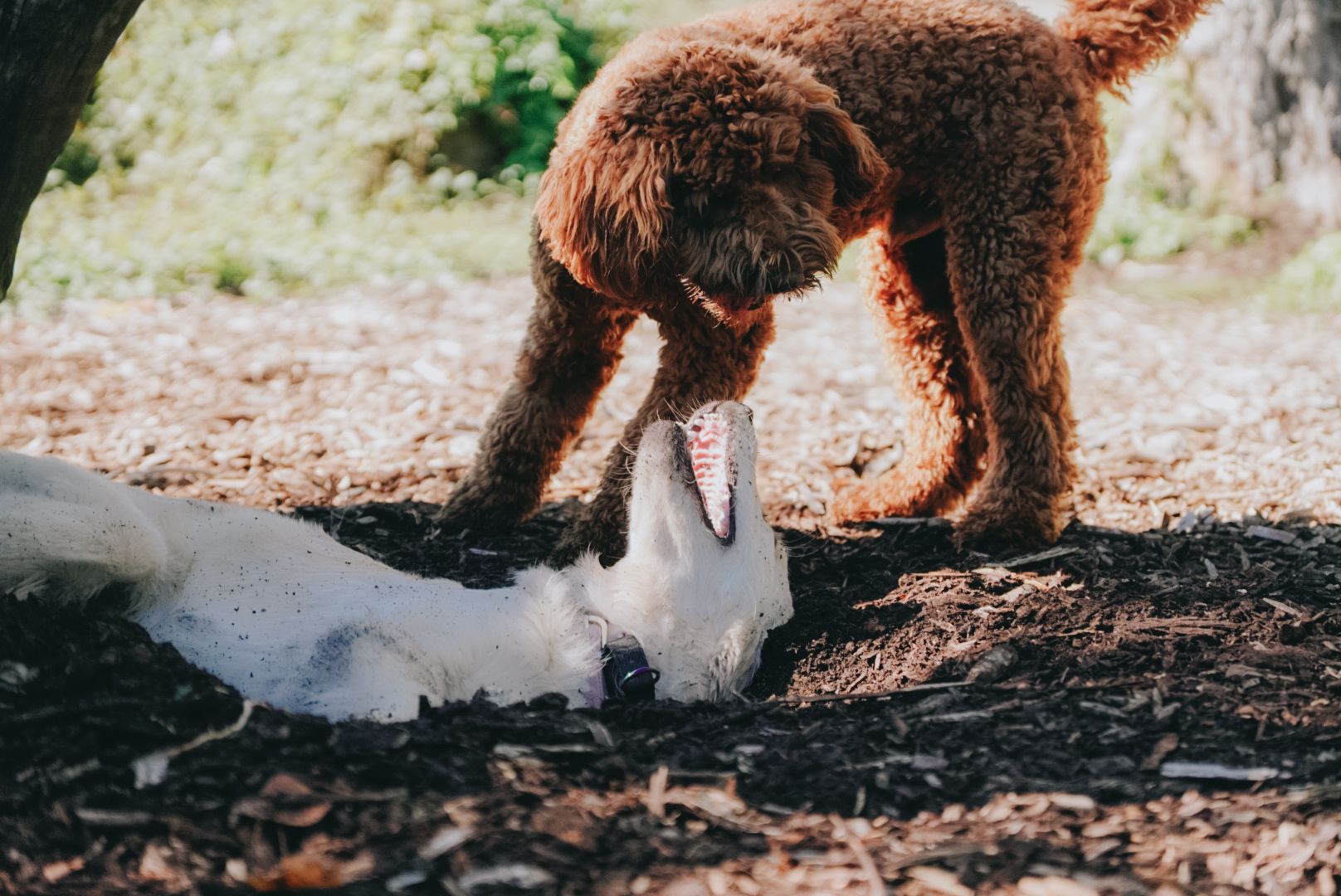
Dogs think they can find happiness at the bottom of a mud pit.
That’s why dogs are NOT for every autistic child.
Not All Autistic Children Benefit From A Dog
Dogs bark, and yelp, and whine. That hurts sensitive ears. Dogs slobber on your fingers when you feed them a treat. Yes. Even well trained dogs do these things. They are still dogs.
When families get a puppy in the hopes that the dog will grow up to take care of their autistic child, they are usually disappointed. Here’s why:
- Puppies are sensory nightmares and even autistic folks who love dogs find it hard to survive living with a puppy.
- Dogs are love to destroy things. That leads to anxiety over personal possessions.
- Dogs smell bad.
- Dogs like to be dirty.
- Dogs are loud.
All of the above apply no matter how well you train that dog. This is just what dogs BE.
Your child will probably NOT enjoy a puppy/dog if…
- They are highly sound-sensitive
- They are sensory-avoidant in general
- They are upset by disorder
- They are not completely obsessed with dogs
Your child MIGHT enjoy a puppy/dog if…
- They are sensory-seeking
- They are a little chaos gremlin looking for a sidekick
- Their best friend is the neighbour’s dog
- They watch dog fact videos and look at books full of dog facts
Not All Dogs Benefit From Autistic Children
If your child sometimes gets violent when they have a meltdown, it’s important to understand that your child cannot control their behaviour in these moments. That means that if they cannot stop themselves from hitting their friends or their parents, they also cannot stop themselves from hitting their dog.
If your child likes to grab, hug, and squeeze, remember that even sensory-seeking dogs can get tired of being manhandled.
A Dog Might NOT Like Your Child If…
- The dog pulls away or looks away from noise.
- The dog runs away when you reach for them.
- The dog avoids eye contact with children.
- The dog is easily startled or reluctant to approach new things
A Dog Might Like Your Child If…
- The dog just lays back and watches curiously when a noisy contraption starts up, or better yet, they go investigate it with a wagging tail.
- The dog relaxes with a big grin on their face when you grab their ears and rub their belly.
- The dog likes to play but settle down for a nap quickly and easily when playtime is over.
- The dog doesn’t get distressed when left alone in a room.
A Match Made In Heaven
In a best-case scenario, dog and child become fast friends, with a sibling-like dynamic. They wrestle. They chase each other. They snuggle together when watching TV. They go on adventures together.
The child takes delight in teaching their friend new tricks and is much more willing to brave a dentist’s office or a restaurant if their bestest buddy can come, too.
As the dog gets older (three and up), they begin to notice that their sibling isn’t growing up as fast as they are… and they will often begin to take a parental/caregiver attitude to the child, fretting when the child is out of sight, for example.
The dog can never become a true caregiver for the child, though! Dogs are still dogs. They require a competent handler who can tell them how to behave and what to do.
For children, the dog is simply a non-judgmental best friend, and a helper to the parent because they will sniff out a child who has eloped, lick away tears, listen to secrets (they NEVER tell!) and introduce them to new people.
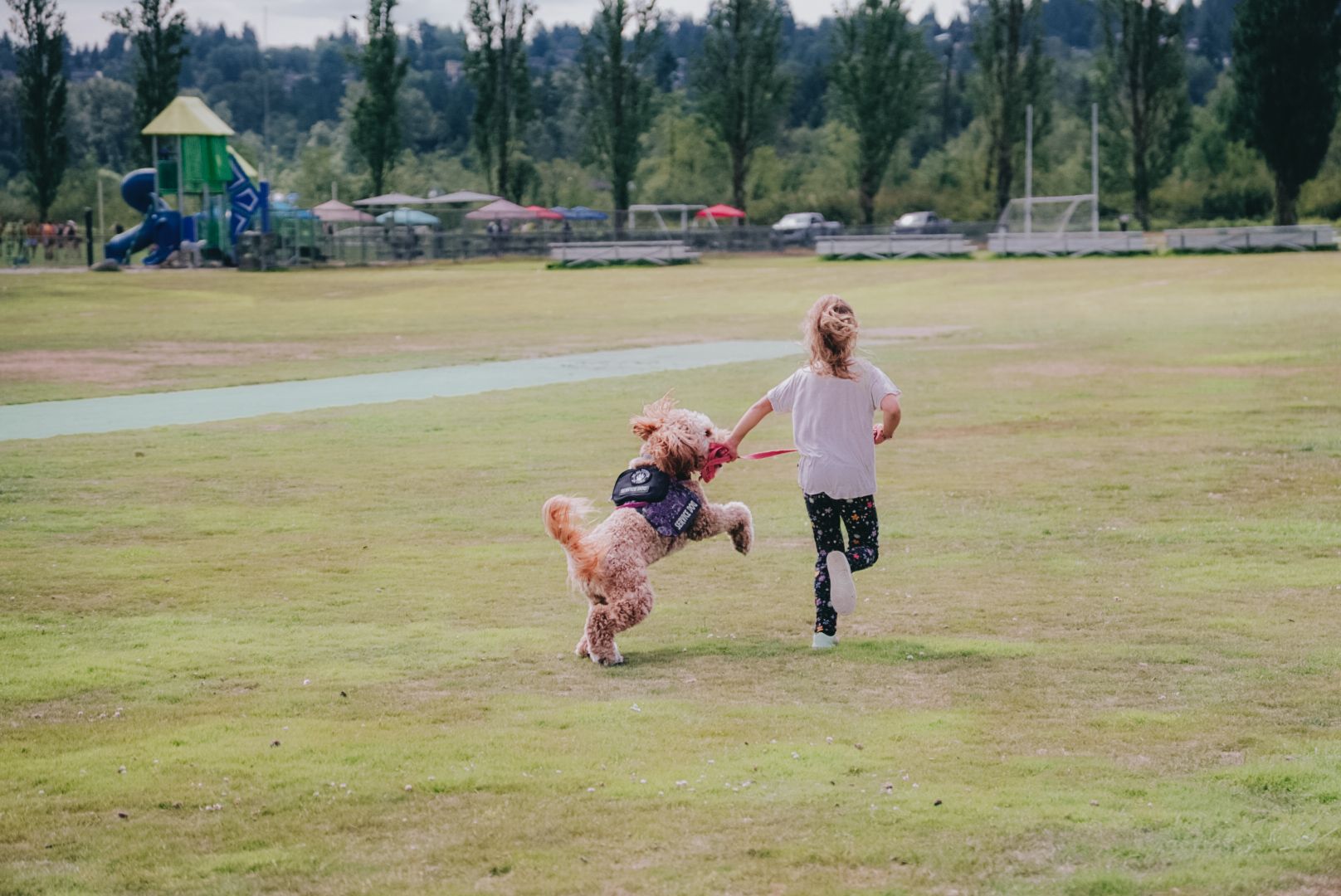
We have seen children whose behaviour and lives have turned around because of the addition of a carefully raised and trained dog.
We See It Fail More Often Than Succeed
In a less ideal scenario, sometimes the dog or puppy is returned to their breeder, because the child or the dog or both just cannot live with each other.
In a worst-case scenario, the family is stuck trying to manage the needs of two very different beings, keeping them separate or protecting them from each other, for a dozen years.
We see both of these options… more often than we see the successes.
Are You Ready To Be A Parent… Again?
In both cases, though, the parent takes on an additional burden. Unless the child is older than 13 years or so, an adult must take responsibility for the raising, care, and handling of that dog. Not to mention the costs!
Even if the dog is pre-trained from a charity, training must be maintained with… continued training!
Puppies need continual non-stop attention for all of their waking hours, which means they require 7 or 8 hours a day of play and supervision, broken into chunks throughout the 24 hour period. Before three or four months, this usually includes an hour or so at night as well.
Adult dogs (two years and up) need many playtime/training/cuddle sessions a day, each fifteen minutes or longer, with a total of 1-2 hours a day of undivided attention.
Parents often comment to us that it feels as though they have an additional child – one that also needs help regulating their emotions, getting to sleep at night, and learning how and when to go to the bathroom.
Is It Worth It?
That depends on many things. We can point you to people who will tell you it was the best decision they ever made. We can point you to people who are happy with their decision, but wouldn’t recommend it to others.
We can point you to people for whom it was a disaster.
We can’t tell you whether your child and family would benefit from a dog. Only you can decide that.
Post Author:
heelingassistants
Categories:
Date Posted:
October 2, 2026



 LGBTQIA2S+ Safe