There Are No Bad Dogs.
Just Bad Ideas.
…and it is a terrible idea to make certain types of dog into a service dog.
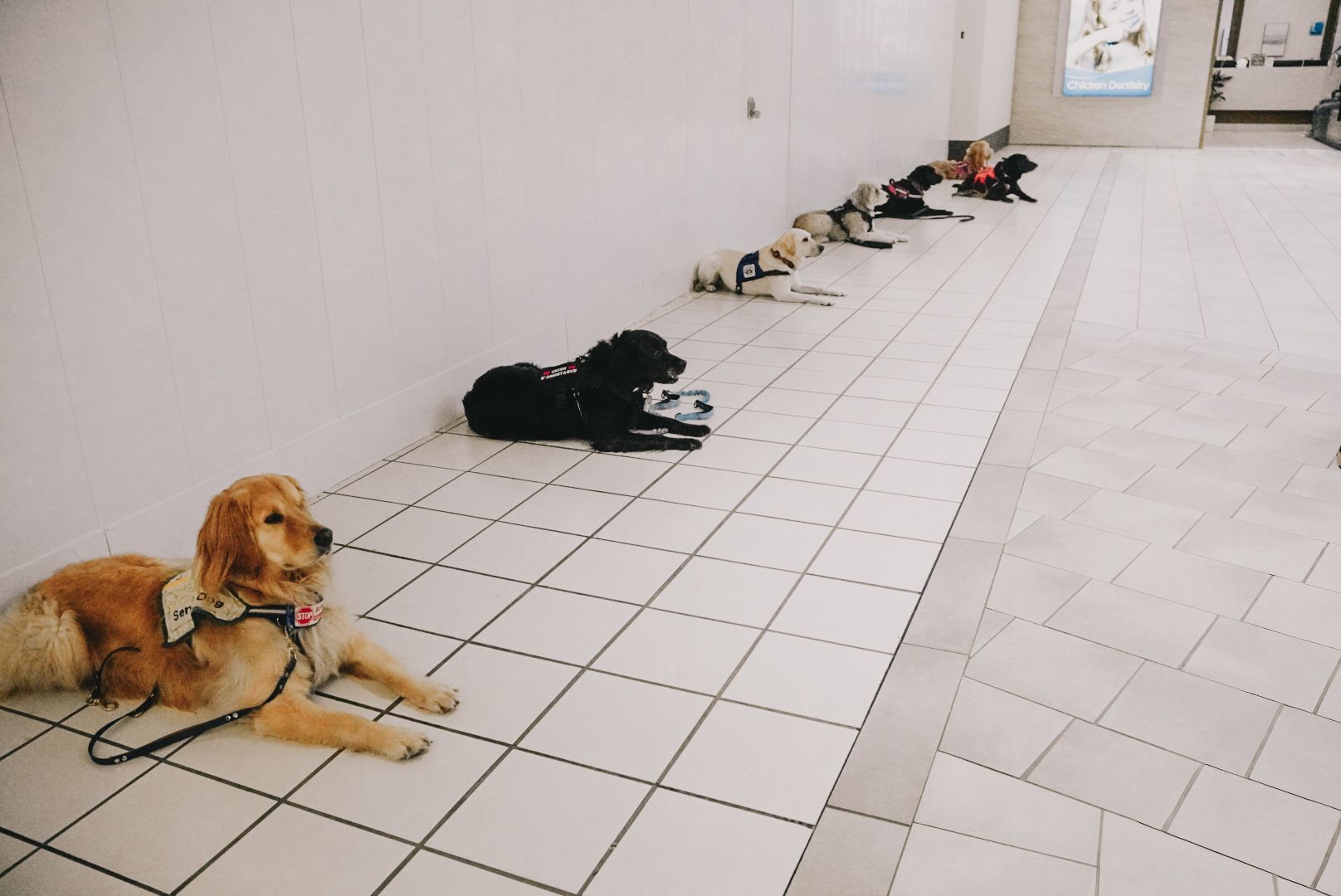
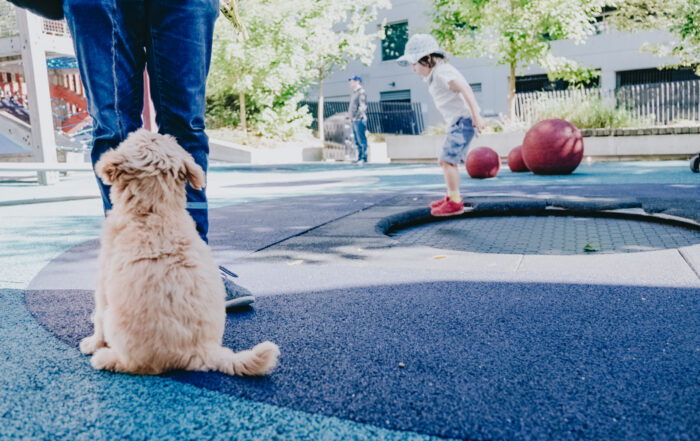
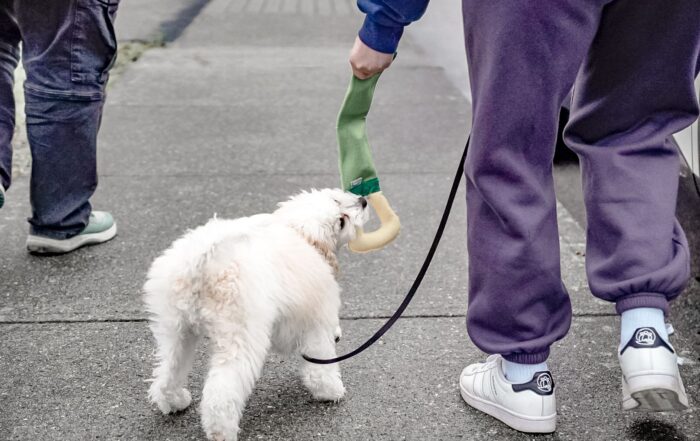
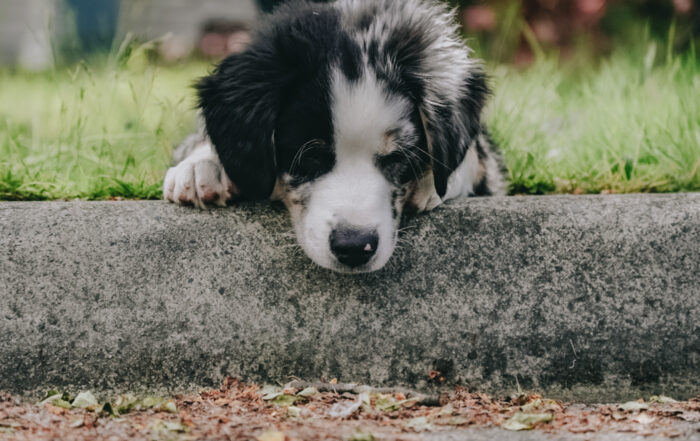
Note: Pictures of cute dogs can be found below. We are not showcasing them as examples or anything because a) why would we shame them like that and b) we mostly don’t work with dogs who have these traits because that would be a Bad Idea.
Suzanne Clothier, creator of the incomparable CARAT method of canine temperament assessment, has worked with guide dog schools helping them improve their temperament testing. Her work is now parroted as gospel throughout the service dog world (sometimes being badly distorted in the process). She likes to say there are no “good” or “bad” temperaments in dogs. Everything depends on what kind of a dog you are looking for.
You wouldn’t pick a Ferrari to haul your RV to the Shuswap and wouldn’t pick a GMC for a race car. “Good” and “bad” are always relative terms.
So with that said, let’s talk about the types of dog that are terrible for service dog work.
Highly Sensitive Dogs
Yes, just as we have Highly Sensitive People (a term for people with hypersensitive processing and overwhelming emotional reactions to relatively minor stimuli) we have highly sensitive dogs.
Dogs who notice every little sound, look up at the slightest movement, and have a strong dislike of certain floors, textures, or smells, cannot and should not be service dogs.
It is frankly abusive to bring a being who is keenly sensitive to noise, scent, or light into public settings such as grocery stores, malls, airports and big box stores on a routine basis.
It is even worse to bring them to such places and then demand that they suck it up and help you, the all-powerful human being who brought them here against their will.
No matter how much praise or how many treats you dole out, if the dog is bothered by the noise, sights, and smells, it is cruel to continue working with this animal in public settings or – in some cases – even to keep them in a city environment. For heaven’s sake, let them retire to a quiet farm where they will be comfortable and happy.
What We Want In A Service Dog: An extrovert who thinks fireworks are fun, sleeps through a waitress dropping a tray of plates at a restaurant, and loves to watch blockbuster movies. If we are looking for a sound-alert dog for the Deaf, or a scent-alert dog for someone with allergies or diabetes, we want a dog who really enjoys sound or enjoys smells, not someone who cringes away from them.
Breed Guide: Dogs bred to work in quiet pastoral settings are most likely to be sensitive. Sheep herding breeds, for example, or companion breeds designed to sit in palaces on ladies’ laps. Hunting breeds designed to withstand gunfire are less likely to suffer from this. Dogs from show breeders are less likely to be sensitive, because dogs who fall apart in a busy show ring don’t win Best In Show.
Finally, dogs who are not stimulated enough, or are stimulated too much, during infancy are likely to struggle with sensory processing. A good breeder is educated in managing sensory exposure and building good stress responses in their puppies.
Highly Empathetic Dogs
Some dogs have giant, sensitive hearts. People think that dogs like this would be good for therapy animal work or for psychiatric support. This couldn’t be further from the truth.
Empathy is not the same as sympathy.
We can meet someone and be told that their mother just died, and we can feel bad for them. But if meeting this person makes you break down in tears thinking about your own mother’s death, that is empathy.
We can watch Will Ferrell yell “Papa!” and jump into the arms of a grown man and laugh at how embarrassing his behaviour is. But if we have to turn the movie off because it is too humiliating to watch… that is empathy.
A highly empathetic dog cannot and should not be asked to work in a psychiatric capacity, or to be routinely in the presence of people who experience frequent negative emotions. When you do that, you ensure that this dog will also be experiencing frequent negative emotions.
If you pair a highly empathetic dog with an anxious, traumatized, or depressed person, you are sentencing that dog to a life of feeling anxious, traumatized, and depressed.
Highly empathetic dogs can sometimes work as service dogs if their own handler is very emotionally strong and mentally well, and if they aren’t required to be near distressed people – no hospitals, no funeral homes, no hospices, etc. But it is not ideal. You don’t want to avoid taking your dog to places where you might want and need them most because your dog will have an empathetic breakdown.
What We Want In A Service Dog: An irrepressible, unsinkable joie-de-vivre. A dog who sympathizes, but does not experience your feelings. A dog who has plenty of emotional bandwidth to comfort you or gently shoo you from a triggering location, because they themselves aren’t affected.
Breed Guide: Again, the hunting breeds tend to excel because they don’t need to pay any attention to their handlers’ emotional state. They just need to Go Get The Duck. Breeds that rely heavily on cues from their handler – again, like herding breeds – are more likely to find this difficult.
If you’re testing dogs, you want the dog that moves toward the unhappy person with a waggy tail or completely ignores the wailing, not the dog that starts howling along or becomes stressed.
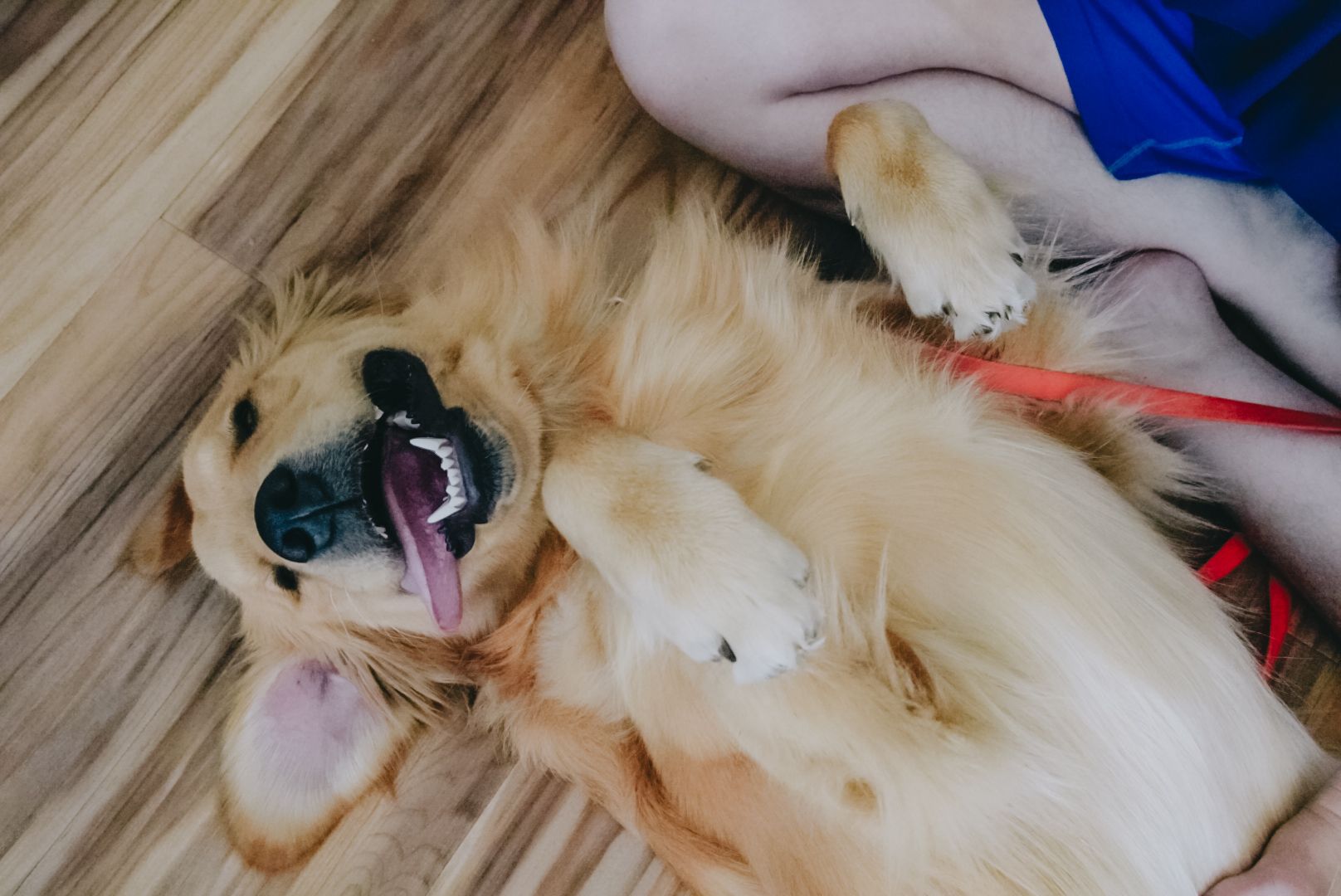
Overly Obedient Dogs
Dogs (and people, let’s be honest) have a quality that trainers call “biddability”. That means how likely a dog is to do something for you just because you asked them to. Service dogs generally need to be fairly biddable. A dog who says “why? What’s in it for me?” every time you ask him for anything is not an ideal service dog.
But this can go to extremes, and some dogs are generally too obedient to make good service dogs.
This comes down to “and if your owner told you to jump off a cliff, would you do it?”
Many types of disability can render a person unconscious, unable to make good decisions, or otherwise unable to make a good judgement. Sometimes just being human is enough – few humans could smell gluten in a product which has been processed in a facility with gluten, but does not contain gluten.
Dogs, on the other hand, can. A hearing dog can hear what their Deaf human cannot. A scent dog can smell what their allergic human cannot. A dog whose human is having a seizure or has dissociated cannot wait for instructions.
Dogs who lack initiative, dogs who rely on being told what to do, do not make good service dogs.
If a dog is too obedient, they may look to their handler for clues that yes, they should signal for the gluten now. If they tentatively raise a paw, and then put it down, and their owner carries on, the dog may decide that maybe they shouldn’t alert right now, and will remain silent.
If a dog is too obedient, they will wait to be told what to do and when to do it. Their handler will need to constantly micromanage them. If they do take the initiative to sit or lie down unprompted, they will get worried and pop back up again if their handler doesn’t immediately tell them what a good job they did. That’s emotionally exhausting for the handler and not helpful at all in cases where the human is not in a position to focus on their dog.
What We Want In A Service Dog: We look for a dog who cheerfully goes along with whatever whims their handler has, but who can also make decisions for themselves when left to their own devices. We look for a dog who can follow instructions happily, but also feels confident enough to make their own decisions.
Breed Guide: Look for breeds who have to make their own decisions, especially if you want a dog that takes charge when you are unconscious or unwell. Breeds that rely heavily on handler input – again, like the herding breed dogs – tend to want to be micromanaged and dislike making their own decisions.
Some breeds go too far the other way – like scent hounds, terriers, and bulldogs -and aren’t bred to follow any human direction whatsoever. That’s not good either! We want a happy medium – a dog who is cooperative but also knows when they should be calling the shots.
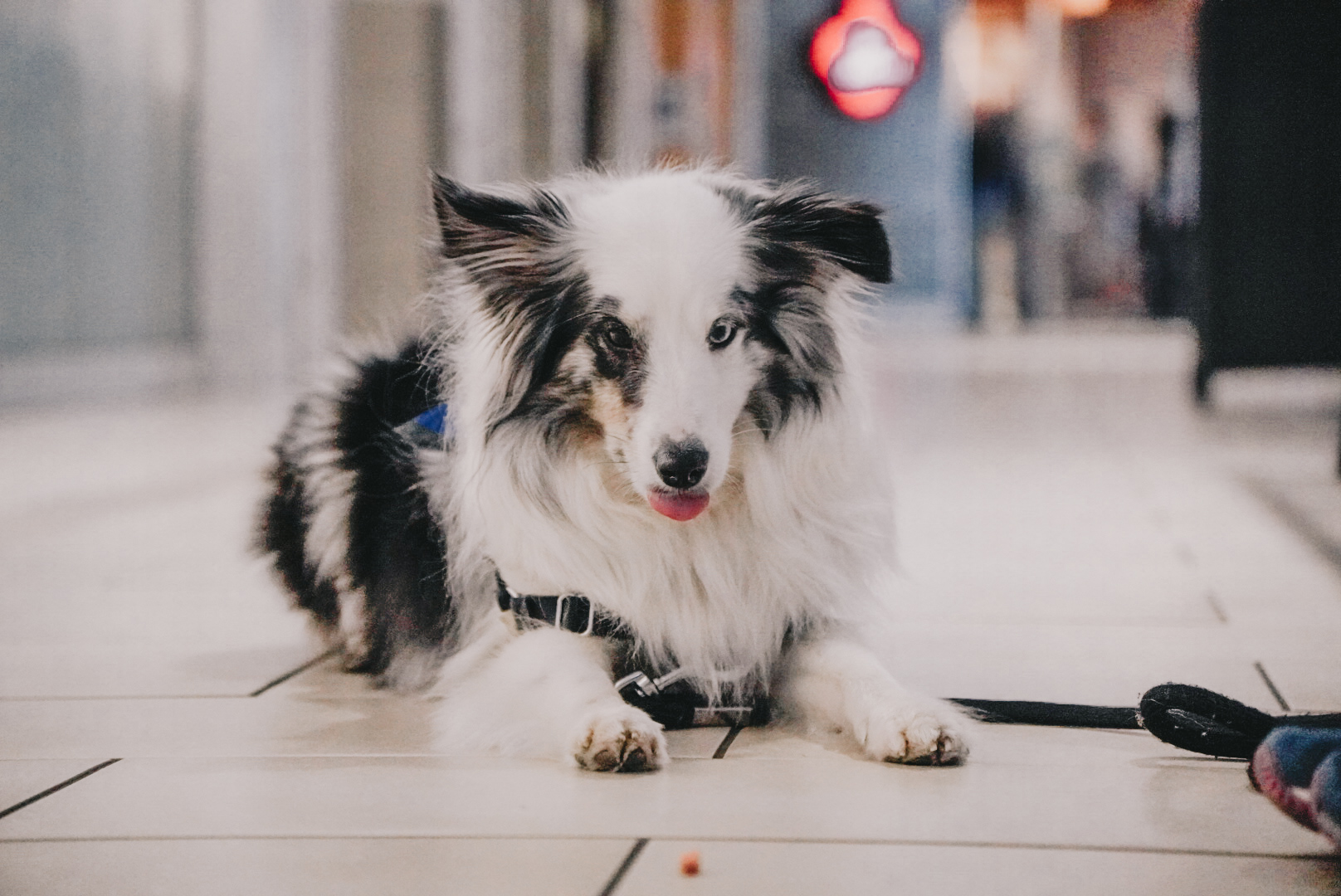
Very Impatient Dogs
Patience is one of the factors that has a strong effect on how long it takes to train a service dog. Dogs who lack the quality of patience can make service dogs… if you are patient enough to work through their impatience, and if you can communicate quickly enough to get things through their noggin before they throw a tantrum.
Think of the kind of person who throws a fit at McDonalds when they are told that their fries will take an extra six minutes. Do they seem like the type of personality who should be assisting disabled people through life?
No.
Impatient dogs start barking in frustration if they don’t pick up the new trick right away. Impatient dogs either yap at you or go looking for something more fun to do the moment you let your attention wander.
People often mistake obedience for patience, but they are not the same. Many dogs who hold titles in competitive obedience are impatient dogs whose handlers are experienced trainers with good communication skills and do not frustrate their dog too much.
There are also many disobedient dogs who have plenty of patience – they’ll wait for hours for the chance to get into the garbage!
An experienced and quick-witted dog handler can work with an impatient dog. A beginner/poor dog handler or someone with slow reflexes can not. They’ll end up yelling at each other, both frustrated to the point of fury.
Patient dogs are forgiving of mistakes, and are willing to sit and wait for you to remember they exist. Patient dogs will keep trying to accomplish their goal without getting escalated and upset when they don’t succeed right away.
Impatient dogs, when presented with a difficult challenge, will either give up and walk away, or will throw a temper tantrum.
Service dog work is often boring and frustrating.
What We Want In A Service Dog: We want a dog who keeps trying when presented with a challenge, and doesn’t give up or get upset right away. We want a dog who will wait patiently when their owner gets distracted or has a small seizure. We want a dog who will solve a puzzle, even if it takes them some time and perseverance. We want a dog with good emotional control.
Breed Guide: Patient and impatient dogs exist in every litter and every breed. You need to select the right pup from the start or you’re hooped. Experienced dog handlers are often terrible at telling if a dog is patient or not, because they are rarely frustrate their dogs in the first place, so asking the breeder is hopeless.
Temperament test.
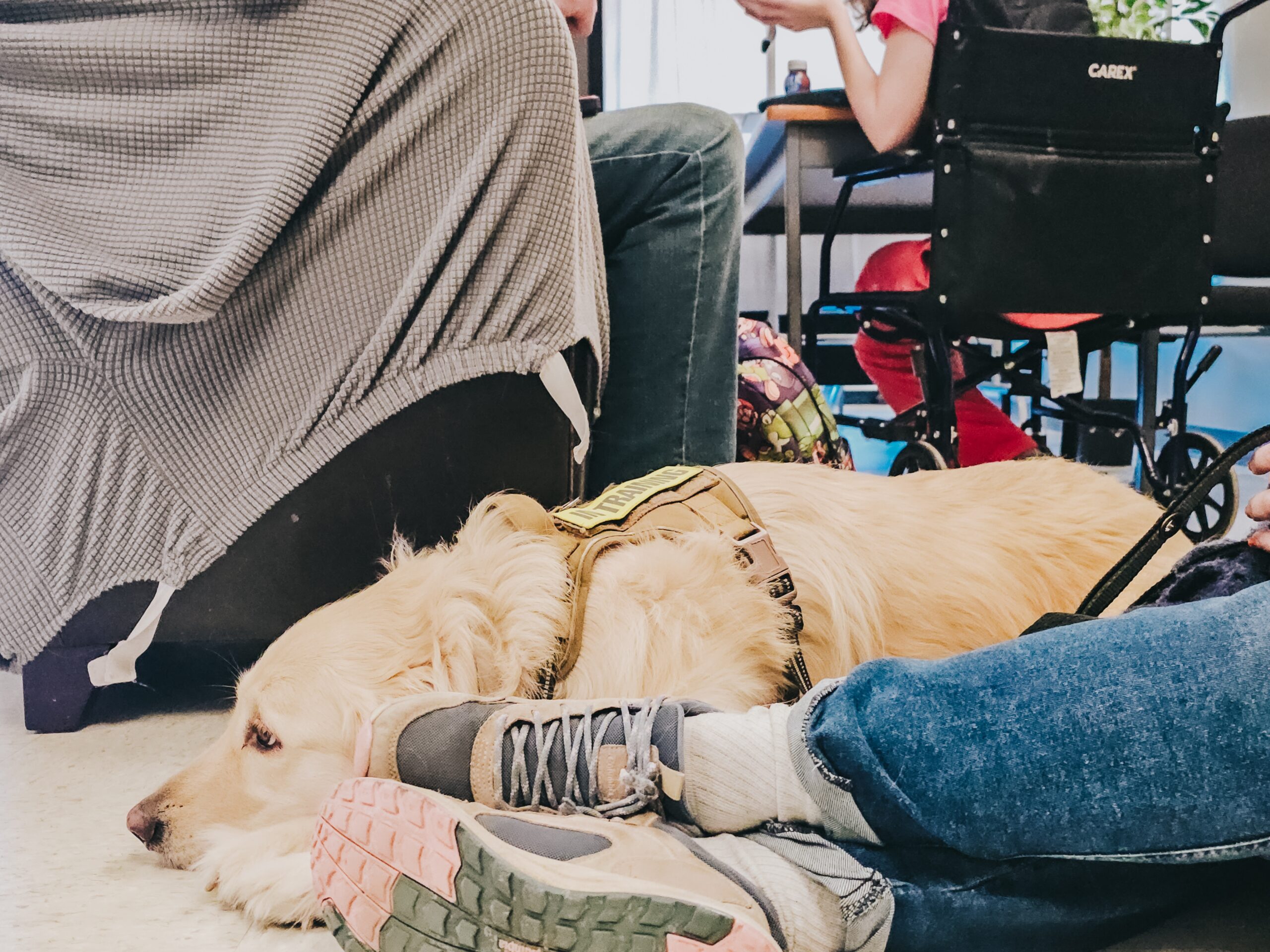
Introverted Dogs
Some of the best pets are friendly but introverted dogs. They aren’t fearful of people, they aren’t unfriendly. They just don’t feel the need to stick their nose right into the crotch of every human they see, and they are homebodies who mostly like to cuddle with their family in the privacy of their own territory.
They love their family and tolerate pats from strangers, but meeting new people and going new places is just not really their thing.
Unfortunately, this is not ideal for a service dog. You see, a service dog’s whole job is to accompany and support their person when they go new places and meet new people.
Plus, it is impossible to stop people from going up to and patting your service dog. It doesn’t matter how many patches you put on the dog. Some people are too old or cognitively disabled or narcissistic to notice or care.
As an introvert myself, I can assure you that the life of a service dog would be terrible for me. I don’t want to go to airports and grocery stores and workplaces and talk to people. I definitely don’t want to meet strangers and have them touch me.
Now, as an autistic person, I also have a touch of hypersensitivity to sensory stimuli (see Highly Sensitive Dogs) but even without that, I just wouldn’t like the life of a service dog. That’s why I benefit from a service dog! I benefit greatly from an extroverted companion who is willing to deflect attention onto themselves and constantly has a big grin on their face.
Introvert dogs would rather relax at home with a good chew bone and hear all about your adventures when you come home.
What We Want In A Service Dog: A dog who genuinely likes meeting new people and is delighted to be unexpectedly touched by a human. They are interested in new things and new places. We teach people not to pet or distract service dogs, but that is because we want our social butterflies to stay focused, not because it stresses and upsets our dogs.
Breed Guide: Avoid the breeds who are meant to live in one place their whole lives and are never taken to new locations. Again, hunting breeds tend to do well because they go on field trips to new locations often and have to put up with uncomfortable situations at times.
Draft breeds can do well. Show lines also tend to be better able to tolerate travel and new places, because if the dog falls apart at the Westminster Dog Show, they aren’t going to win.
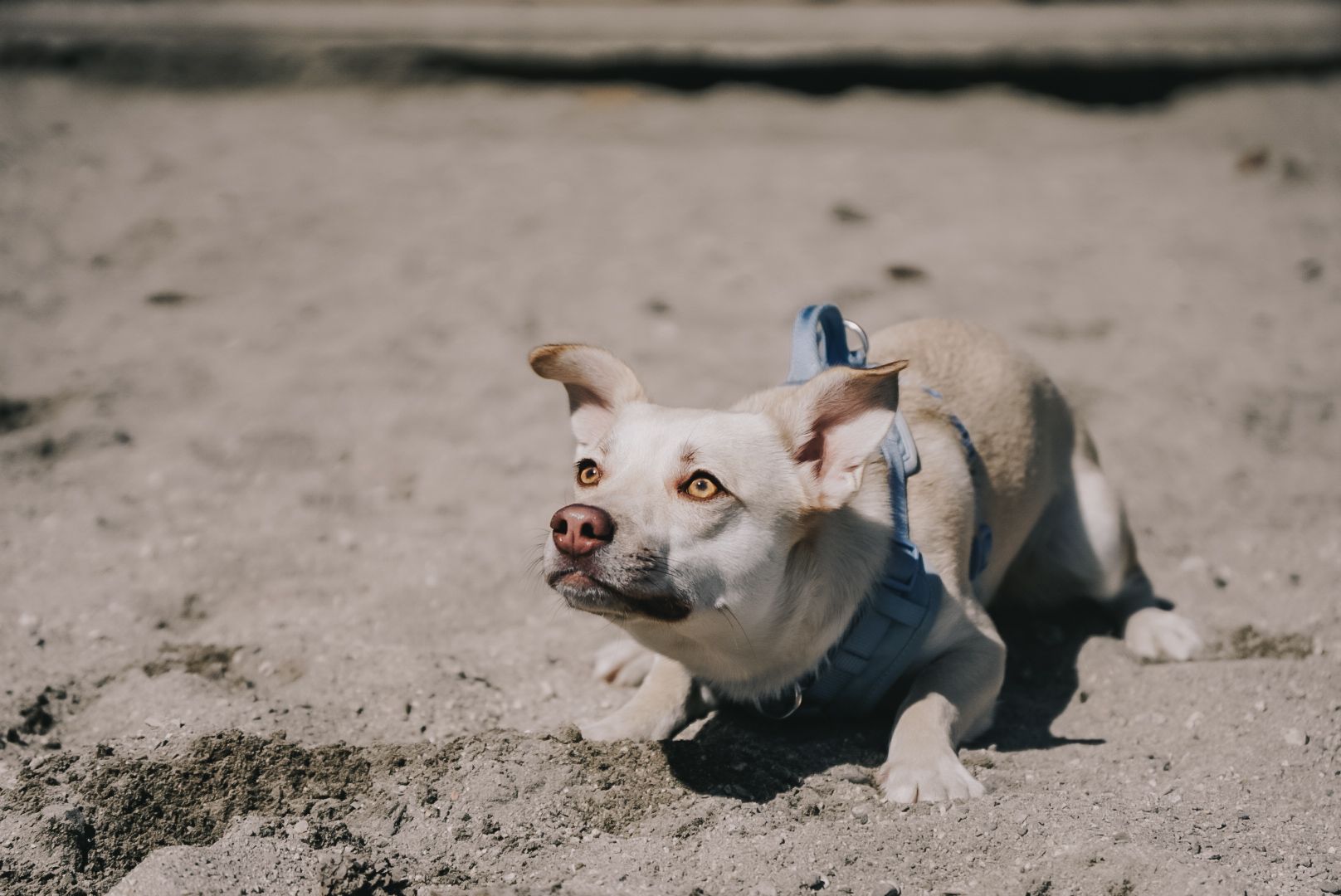
Paranoid Dogs
I don’t like terms like “reactive” or “aggressive” because they aren’t helpful. There are a million reasons why a dog might become reactive or aggressive, and some of them have already been covered on this list.
Paranoid dogs are, however, often deemed aggressive or reactive, though they can also just be shy and jumpy.
Dogs may be paranoid because they have been bred to be (the average Great Pyrenees is constantly convinced that kidnappers and murderers are everywhere, because watching for wolves and sheep rustlers is literally their job) or because they are just naturally wary (nature throws paranoid dogs into every breed, because sometimes it’s the paranoid weirdo who saves the otherwise-trusting village) or because nature shaped them that way (dogs who have been on the street for generations, for example, only survive if they are wary) or because they have experienced trauma.
In any case, paranoid dogs who are always on the lookout for thieves and murderers cannot be service dogs. Not only is it difficult and stressful to be constantly on the lookout (unless you are bred for it, like Great Pyrenees), but paranoid dogs see someone with a limp, or a strange way of walking, or who smells violently of vapes, and doesn’t think “oh, that person is sore/disabled/addicted). Instead they think, “my god, he’s coming for us!” and they are likely to bark, growl, or threaten the person.
Service dogs cannot be protective or paranoid. They must love everyone, or they just aren’t safe for public access. It’s too easy for them to misunderstand a situation and threaten an innocent person.
What We Want In A Service Dog: A dog who firmly believes that all beings are good and trustworthy. A dog who sees someone with a weird way of walking and wants to go help them or say hi and offer to carry their cane for them.
Breed Guide: Avoid protection breeds, especially dogs from protection based lines. The shepherds bred by guide dog schools, for example, are many generations removed from the police dog set. Show dog lines tend to be friendlier because you need to let a stranger cup your balls before you can get a ribbon.
Also avoid rescue dogs unless you know their parents weren’t born and raised on the street or used as guard dogs, and you know they weren’t abused and don’t have generational trauma.
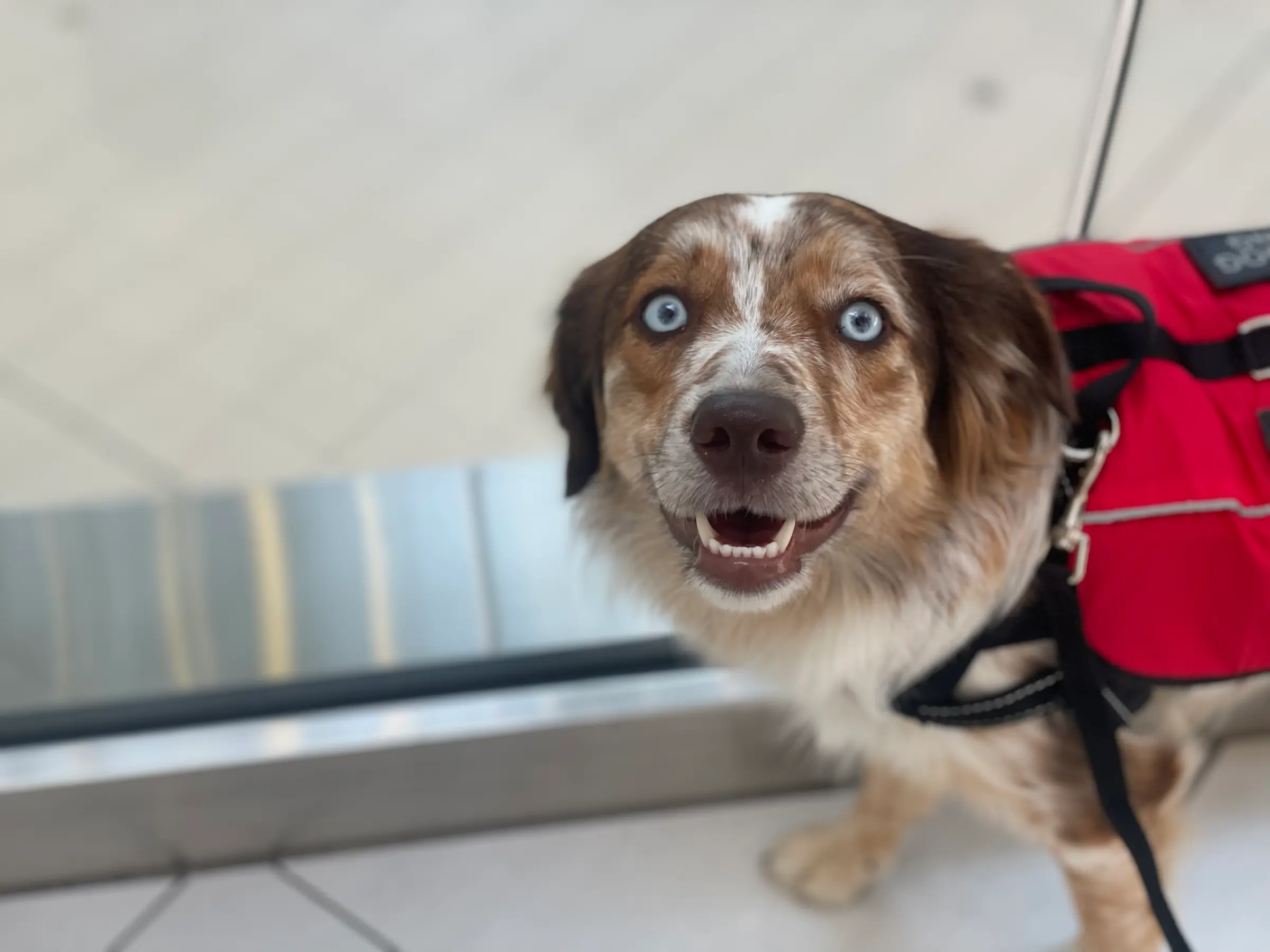
Insecure Dogs
You’d think this would go without saying, but you’d be amazed how many amateur service dog trainers ignore insecurity and compensate for it with handler confidence. When they hand the dog over to a less capable handler, the dog falls apart.
A dog can be insecure for two reasons: either they have personal trauma in which case they can’t be a caregiver for someone else because they have their own sh*t to work through, or because they are just genetically low confidence and anxious.
Either way, putting the dog in a position of being a caregiver and co-leader is a great way to give the poor animal an ulcer from stress.
While all dogs are highly vulnerable because they rely on their human handlers for food, water, access to their own toileting area (what other species needs to constantly ask permission just to go to the bathroom? Zero, that’s how many.) and could be abandoned to die of thirst and hunger any time their human decides to lock the door and never come home… most dogs don’t worry about it too much.
A secure and confident dogs knows their human adores them and would never, ever abandon them. An ideal service dog knows their human needs them and this bolsters their confidence further. I am needed. I am essential. I am important.
For low confidence dogs, this can be a nightmare. I am not equipped for this. I don’t even have thumbs. I can’t read. I can’t use Google Maps. I am only three years old. Why am I being relied on?
Dogs like this need to be given a lot of agency to help themselves – a doggy door, a food dispenser that they can use on their own, and so on – just to be mentally normal and not suffer nervous breakdowns from simply existing in the modern world.
They certainly can’t handle the responsibility of supporting an anxious or insecure human.
Dog trainers are experts at projecting confidence, reassurance, and injecting their dogs with confidence. Self-taught service dog trainers automatically compensate insecure dogs and don’t think twice about it. Insecure dogs who rely on their handler to help them through tough stuff will act like normal happy dogs… until they don’t.
Passing the dog off to a less capable handler triggers nightmarish results. The dog falls apart. They’ve been handed to a human who is clearly not equipped to manage alone in the world. They feel vulnerable and frightened. They develop stress related health problems like chronic diarrhea, lack of appetite, self-harm. They usually require medication lifelong. They try to escape.
It’s just… awful to witness.
And that’s just if they’re a pet.
Try to put them in charge and it gets even worse. I don’t even want to talk about it.
What We Want In A Service Dog: A dog who feels like they know what they are doing… even when they don’t. A dog who never thinks about how truly vulnerable they are, or ever doubts their caregiver’s ability to take care of them, even though half the time they are the one being the caregiver. A dog who thinks, I’ve got this, even when sometimes they don’t.
Experienced service dog trainers often play the absent minded professor or the fool who can’t figure out basic things, until the dog steps in and helps.
Gee, I can’t carry this heavy stick. I need your help. Gee, I can’t open this door. Think you could press that button for me?
If the dog doesn’t step in eagerly, they get gently removed from the program. This isn’t for them, and it’s not a service dog trainer’s job to compensate for the dog’s insecurity – it’s to build up an “I am needed and helpful” mentality… and identify if they can even handle this lifestyle. If they can’t, they are relieved of the responsibility. No hard feelings.
Insecure dogs whose trainers have compensated for them aren’t even given a chance. They get dropped in the deep end and are left to drown.
Breed Guide: Insecure dogs exist in every breed. You need to temperament test thoroughly away from their family to see if they fall apart. No temperament test performed by a familiar human or in the presence of siblings/mom is valid for this very reason. The good breeders get someone in to test the puppies for them and each puppy is tested in a strange place without any familiar humans or dogs for emotional support.
For more information on temperament testing, check out the GDBART, the test used by service dog schools before they spend time and money training a dog who would be made miserable by service dog life.
Post Author:
heelingassistants
Categories:
Date Posted:
July 21, 2026

 LGBTQIA2S+ Safe