Disability is Expensive.
Whether you just need prescription eye glasses, a wheelchair, or round-the-clock care, disability aids cost money. Medications cost money. When ADHD makes us forget to book airline tickets before the prices go up we lose money, or when our immunosuppressant medications make us call in sick to work too many times in a month.
It isn’t fair, but it’s a fact of life and here’s another unpleasant fact:
Service dogs are highly expensive and sometimes inconvenient disability aids, even if you get your dog for free from a charitable training school.
Why?
Well, because owning a dog is inherently costly.
They need your time, they need your care, they need food and shelter and health care. For many people, the downside of having a service dog far outweighs the benefits.
The day you decide to bring a dog home, you assume responsibility for their care. Since dogs in our society cannot meet their own needs, we must provide them with all of the things we need.
Only then do we have the right to ask for anything in return.
So before you get a service dog – or any dog – you must ask yourself: can I meet my duty of care?
There are several duties of care we take on when we bring a dog home, and being disabled may make them more difficult or more expensive than for the average person.
Our Duty To Our Dogs
1. Physical Duty of Care
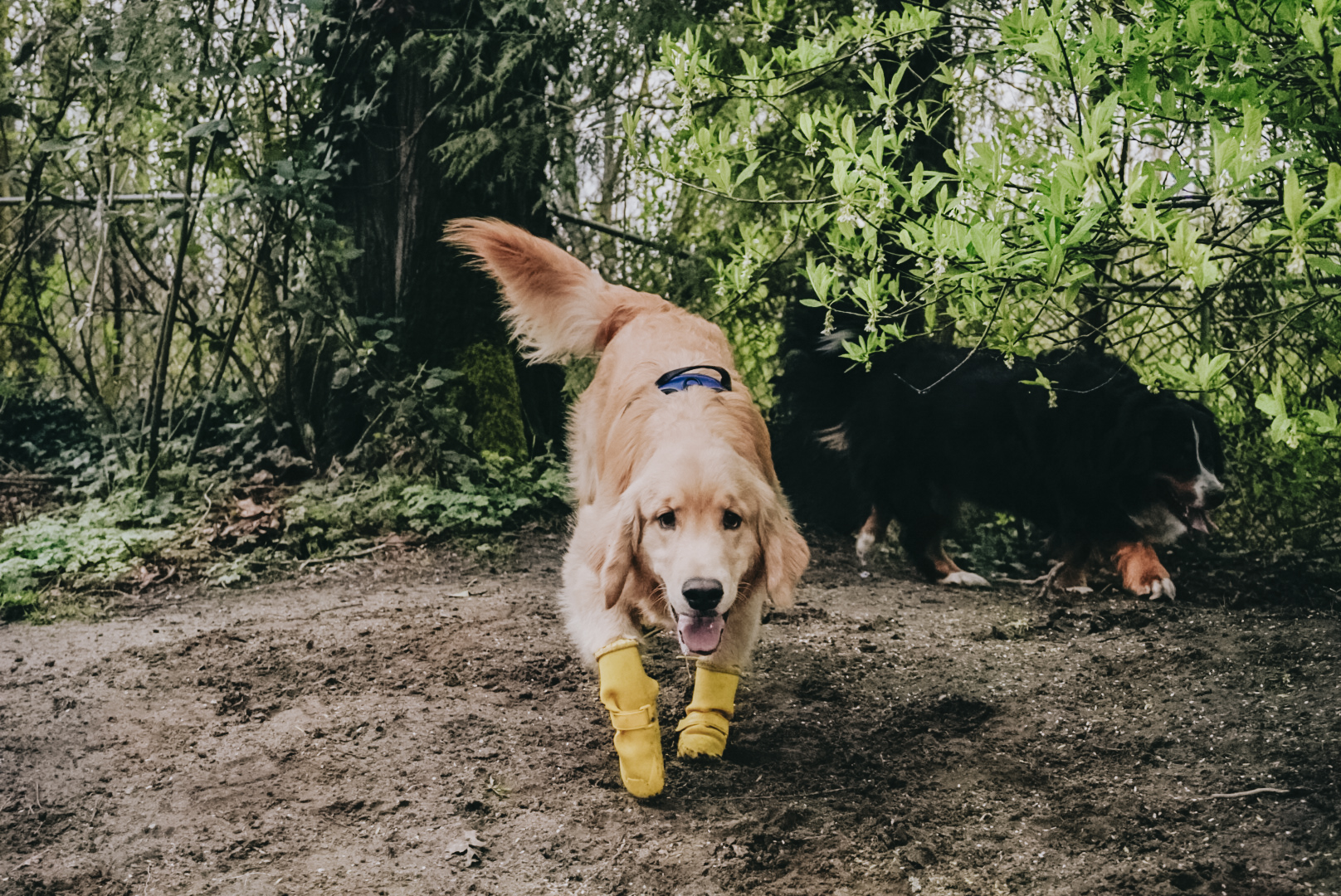
Dogs require exercise and time to explore the world around them. They are not designed to be cooped up indoors.
Dogs living indoors with us is a fairly new thing. They aren’t really made for it. If you get a dog, expect daily outings to be part of your future. Your dog needs and wants to spend as much time as possible – most dogs would choose many hours every day – out of doors.
Your dog needs to run and play to the point where they are panting and tired at least once a day.
Depending on the breed of dog, they may need anywhere from 20 minutes to 120 minutes of active physical exertion each day in bursts of at least 10-15 minutes at a time.
Not leash walks. Aerobic exercise.
Don’t make the mistake of thinking that smaller dogs need less exercise than larger breeds, either.
Most of smaller breeds are miniatures of larger dog breeds and have similar exercise requirements.
It is easier to exercise a small dog – you can play fetch in the hallway, for example, or one-armed tug while watching tv – but they still need time outside in nature on a regular basis or they can get yappy or nippy.
Then there is care and grooming. Dogs also get dirty, have diarrhea, get sick and vomit, and sometimes wet themselves, especially when very young and very old.
Are you able to clean up the mess?
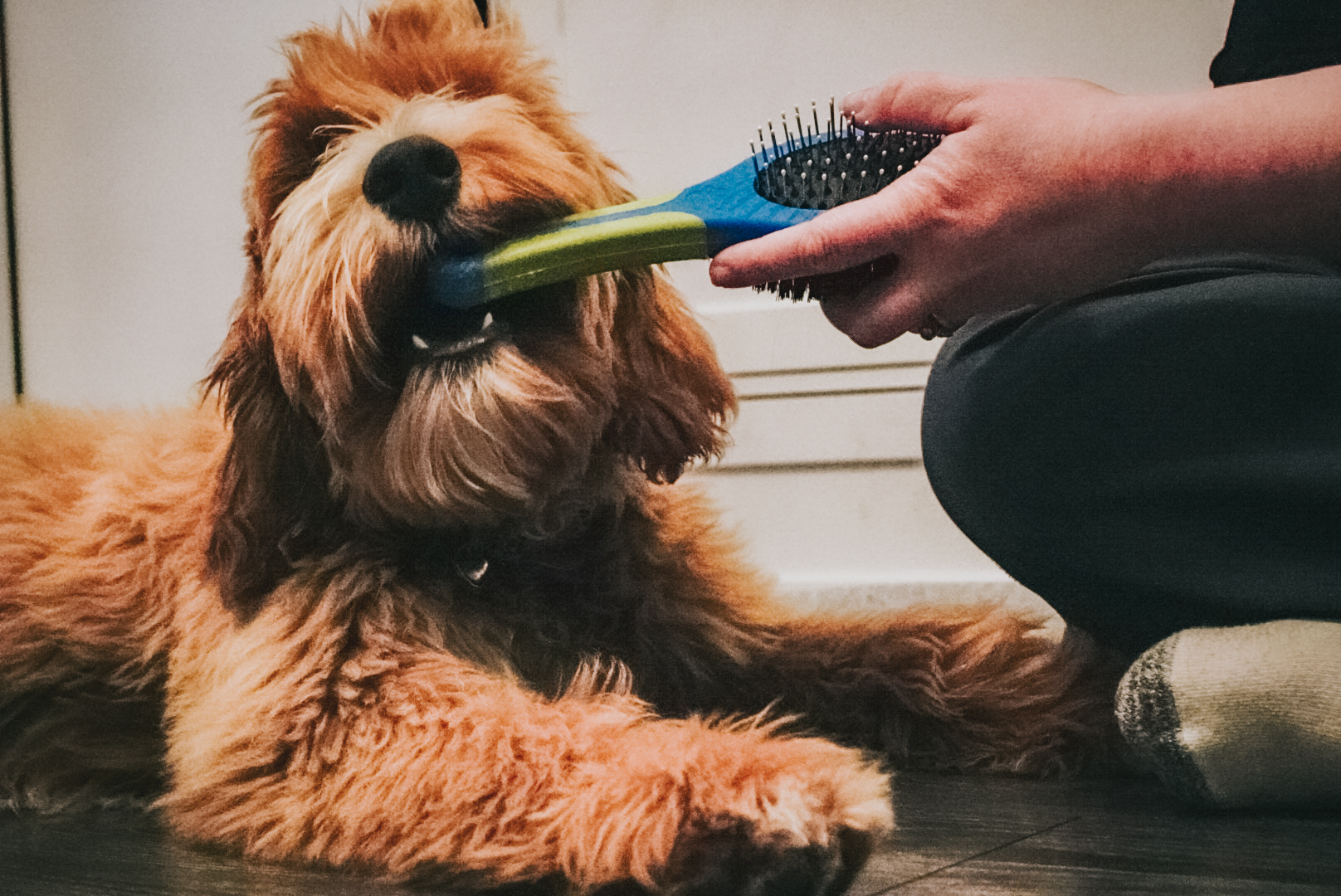
Can you trim their nails and brush their fur, or can you pay someone to do that? Floppy eared breeds need regular ear cleaning. The smaller the dog, the more often you will need to trim their nails.
Consider carefully the types of fur coat you are best able to physically care for. Non-shedding coats save you time vacuuming and sweeping, but require daily grooming.
Short coats don’t need much brushing, but they will carpet your floors with a daily layer of hair, especially in double coated breeds such as labs.
The medium coat of a golden retriever is sometimes the easiest.
2. Emotional Duty of Care
Beyond the physical needs, people are frequently overwhelmed by how much time and attention dogs demand.
Dogs are highly social mammals who want to interact with you most of the time. Expect to spend literally hours every day playing with, brushing, walking, and talking to your dog.
HOURS.
Dogs are bottomless wells of attention. However much time you give your dog, your dog will probably want more. It helps if you have multiple people in the household, or other pets for them to play with. If it is just you and your dog, expect to spend the majority of your time interacting with your dog in some way.
Your dog will require patience, affection, and lots and lots of fun. Dogs love fun and they will get it out of you however they can – even if it means they have to steal your underwear to get you to play tag with them.
3. Financial Duty of Care
Most people know about these. Not only does it cost money to acquire a dog from a high quality source, but you have to feed them. Depending on the size of the dog you may spend between $50 and $250 a month or more to feed them and provide treats and chews.
Plus, dogs require veterinary exams at regular intervals. They get injured. They get sick.
Puppyhood veterinary exams can cost over $1000 in the first year. Subsequent yearly care for relatively healthy dogs ranges between $300 and $700 a year.
Service dogs must be checked for physical and structural health. OFA Health clearances can cost upwards of $1,000.
If the dog gets injured or is prone to health problems such as ear infections or stomach trouble, you may spend thousands each year on veterinary bills. A sudden illness or injury can be several thousand dollars. If you can’t put your hands on that kind of money quickly, we recommend pet insurance.
Pet insurance is around $100-150/month, depending on your policy.
Do you have this to spare?
Then there’s grooming. The most expensive to care for coats are the non-shedding hair coats – Poodles, doodles, and their ilk. Short hair and medium hair coats are cheapest to care for – as long as you don’t mind doing a lot of sweeping/vacuuming.
The Bottom Line
Service dogs are dogs first, assistants second. We must be able to care for them responsibly before we can ask them to help us in return.
The dog being a service dog does not make them cheaper or easier to care for. While there is a slight tax break for owners of fully accredited service dogs, that doesn’t cover their care financially and can’t help with the physical realities of their care.
In fact, our disabilities may make caring for them harder or more expensive to care for than pet dogs are for other people.
Dogs may be able to do things we can’t, such as smell our blood sugar or pick up our keys when we drop them, but if we can’t care for them… then we must look for that help elsewhere.
So before you get a dog ask yourself – will getting a dog increase my overall quality of life… or add more work, stress, and expense than I can handle?
Post Author:
heelingassistants
Categories:
Date Posted:
June 2, 2026





 LGBTQIA2S+ Safe